
Client Overview
A growing retail business operating both a physical store and an online Shopify channel faced increasing challenges in managing inventory accuracy. The business relied on a combination of POS software, Shopify, and QuickBooks Online to track sales and financials.
While sales were growing, financial reporting started showing inconsistencies that raised concerns around profitability and stock accuracy.
The Problem That Was Hiding in Plain Sight
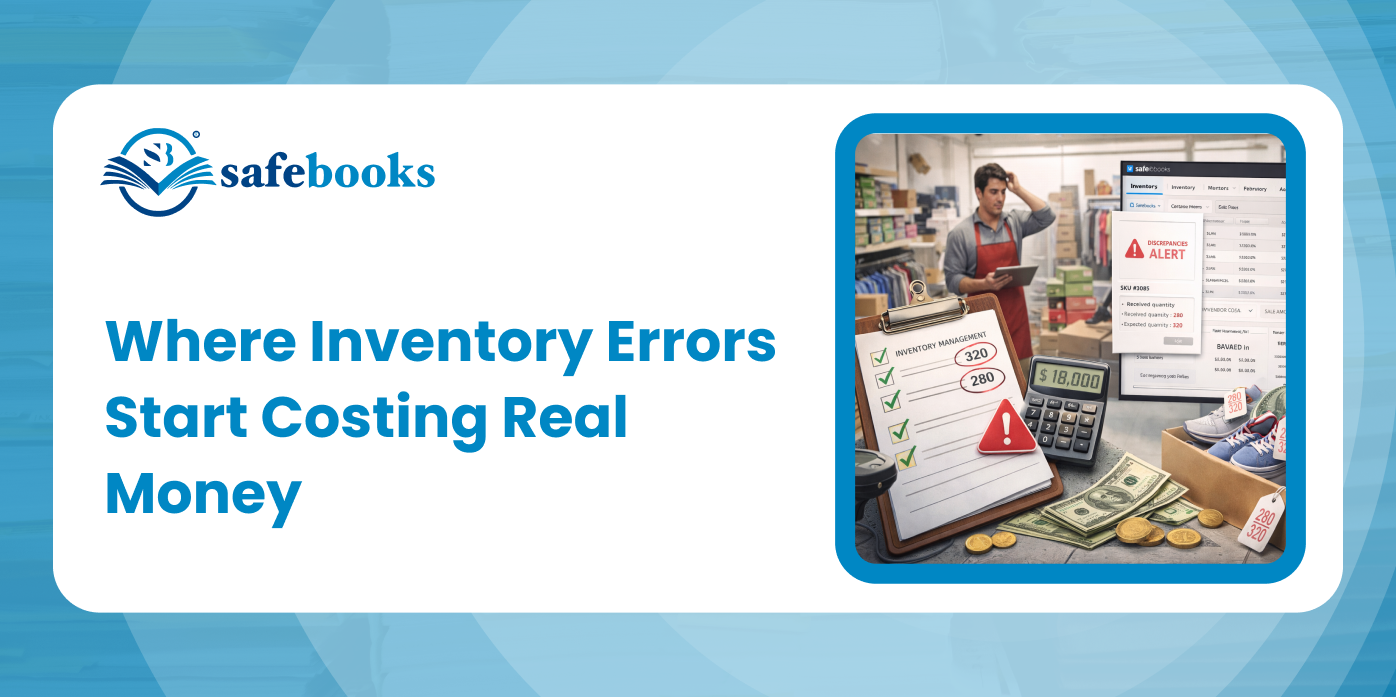
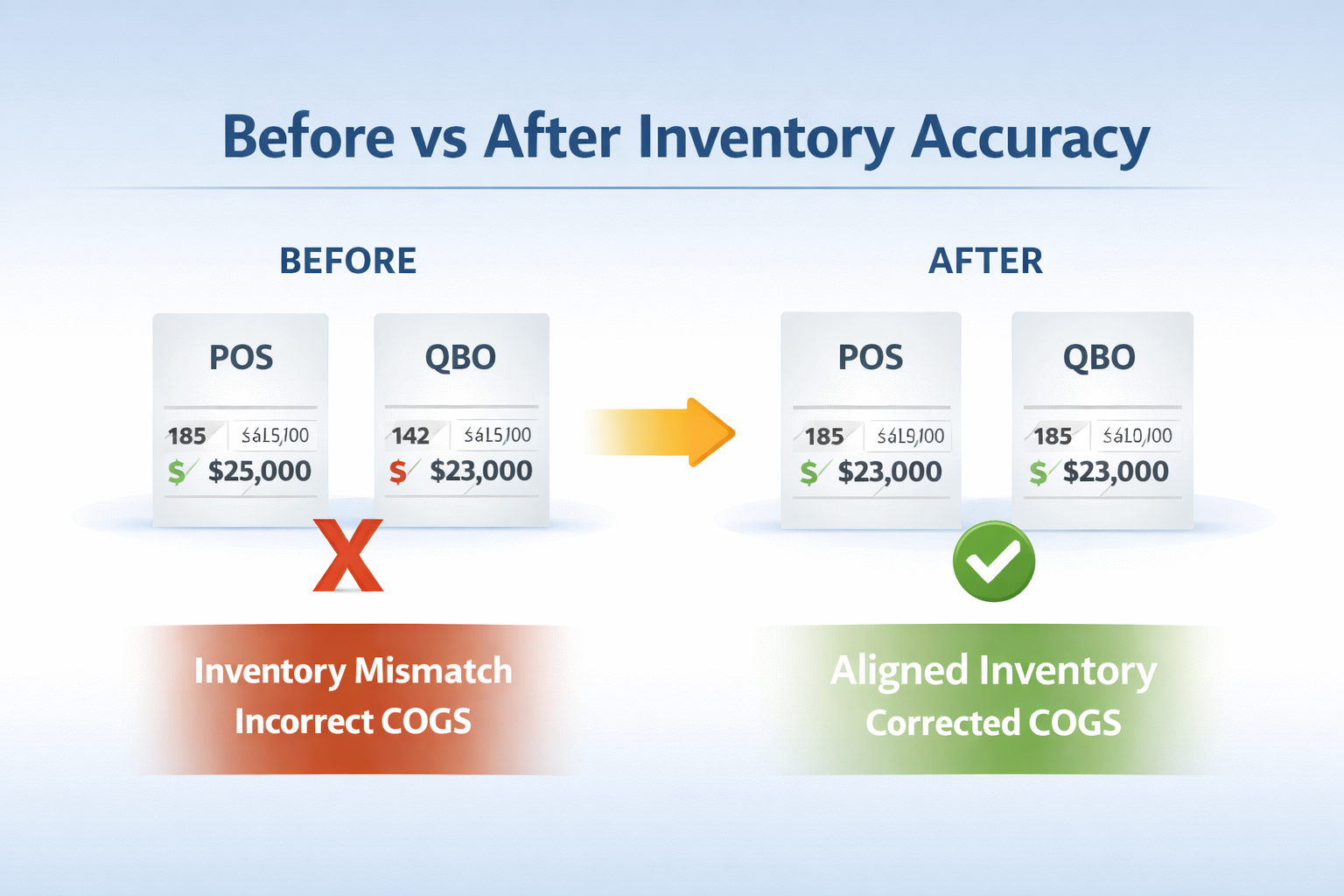
The business discovered a discrepancy of over $18,000 between inventory recorded in their POS system and their accounting software.
This led to:
- Incorrect Cost of Goods Sold (COGS)
- Inflated profit margins
- Unreliable financial reporting
- Difficulty in identifying shrinkage and stock movement
The root issue was not a single error. It was a combination of disconnected systems, inconsistent data flow, and lack of reconciliation processes.
Situations like this are common when businesses scale without setting up a proper remote accounting workflow.
Why Inventory Issues Escalate Quickly
Retail businesses often assume their systems are synced correctly. In reality, even small gaps in data flow between POS, eCommerce platforms, and accounting tools can compound over time.
Without structured checks:
- Purchases may not map correctly to inventory
- Adjustments may not reflect across systems
- Sales data may not reconcile with stock movement
As explained in this guide on offshore bookkeeping for growing businesses, lack of process discipline often creates hidden financial risks.
The SafeBooks Approach
Instead of applying surface-level fixes, SafeBooks focused on identifying the root cause and building a repeatable system.
1. Item-Level Reconciliation
Every SKU was analyzed across:
- POS system
- Shopify store
- QuickBooks Online
This helped identify mismatches in quantities, valuation, and transaction timing.
2. Workflow Mapping
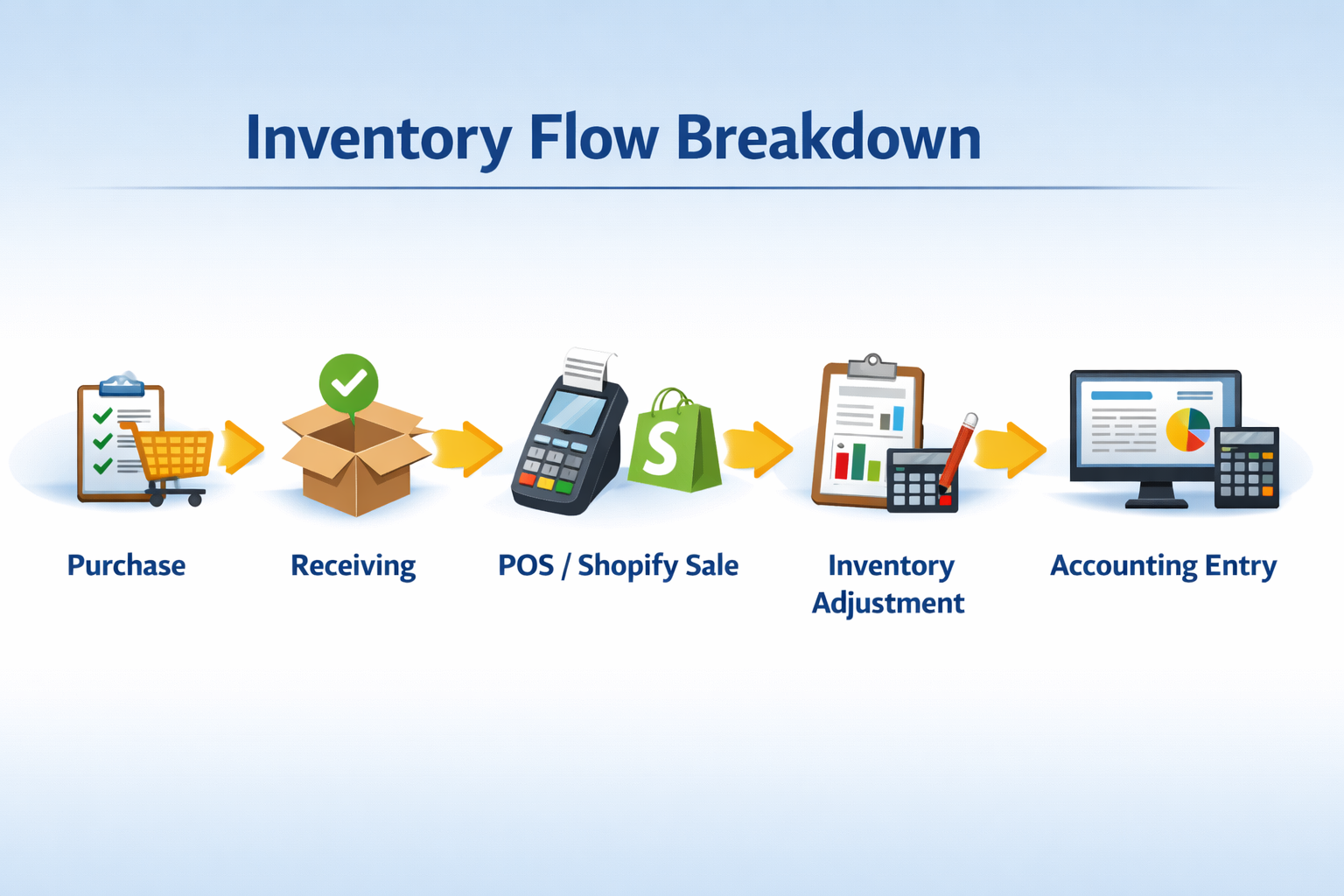
The entire inventory lifecycle was mapped:
- Purchase orders
- Goods receipt
- Sales transactions
- Returns and adjustments
This step exposed gaps where data was either delayed, duplicated, or not recorded.
3. System Alignment
SafeBooks ensured proper integration and consistency between platforms, supported by best practices from their recommended accounting tech stack.
This included:
- Standardizing item naming conventions
- Aligning valuation methods
- Ensuring consistent posting rules
4. Monthly Inventory Tie-Out Process
A structured monthly reconciliation system was implemented:
- Inventory count vs system records
- Variance identification
- Adjustment tracking with documentation
This process ensured issues would not accumulate again.
The Outcome That Changed Financial Visibility
Within 72 hours, the inventory discrepancy was fully identified and corrected.
Key Results:
- Inventory records aligned across all systems
- Accurate COGS restored
- True profit margins revealed
- Improved confidence in financial reporting
More importantly, the business gained control over its operations.
The owner could now:
- Identify shrinkage early
- Make better purchasing decisions
- Track profitability accurately
What This Means for Growing Retail Businesses
Inventory discrepancies are rarely caused by a single mistake. They usually come from a lack of structured processes and system alignment.
Businesses operating across multiple platforms need:
- Consistent workflows
- Regular reconciliation
- Clear system integration
Before outsourcing or scaling operations, it is important to understand key considerations outlined in this guide on questions to ask before hiring a remote accounting team.
A More Reliable Way to Manage Inventory and Financials
Fixing inventory issues is not just about correcting numbers. It is about building a system that prevents errors from happening again.
SafeBooks combines:
- US GAAP-trained professionals
- Secure remote access via controlled environments
- Structured workflows and reconciliation systems
You can also learn more about how financial data is handled securely in this article on data protection and compliance practices.
When Inventory Numbers Start Telling the Truth
Once the systems were aligned, the business was no longer relying on assumptions. Decisions were backed by accurate data.
That shift alone changed how the owner approached purchasing, pricing, and growth.
If your numbers are not aligning, there is usually a deeper operational gap behind it. Fixing that gap is what creates long-term clarity.
Start here: Contact SafeBooks