
How SafeBooks Implemented Yardi Breeze for a 20 Unit Residential Rental Portfolio
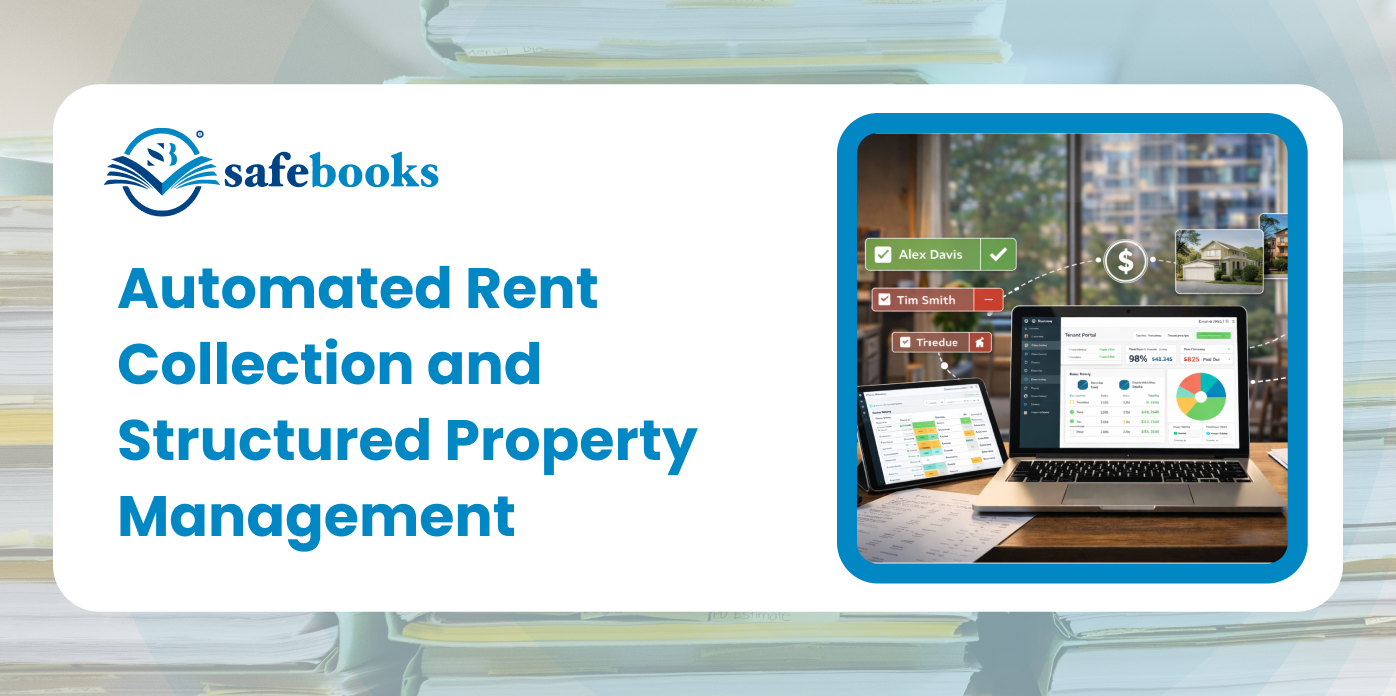
A residential rental owner managing 20 units relied on Excel spreadsheets and Zelle payments to operate the portfolio. Missed rents, inconsistent tracking, and unmanaged maintenance requests created operational stress and cash flow unpredictability. SafeBooks implemented Yardi Breeze to centralize rent collection, lease management, and maintenance tracking.
This engagement reflects SafeBooks’ expertise in system implementation and financial workflow standardization, similar to its work in AR and AP Software Integration.
1. Client Overview
Industry: Residential rental
Portfolio Size: 20 units
Systems Before SafeBooks
- Excel spreadsheets for rent rolls
- Zelle payments for rent collection
- Manual lease tracking
- No maintenance ticket system
Core Issue
There was no unified property management system. Rent payments were inconsistent. Maintenance requests were handled through text messages and phone calls. Monthly reporting required manual reconciliation.
Many small rental portfolios face similar fragmentation when operating without integrated systems, as discussed in Cloud vs On Prem Accounting for CPA Firms.
2. Challenges Before Implementation
Late Rent Payments
Tenants had no structured portal or reminder system. Rent collection depended on manual follow-up. On-time payments averaged 82 percent.
Manual Rent Rolls and Deposits
Tracking who paid and when required checking bank deposits against spreadsheet entries. Errors and delays were common.
Unmanaged Maintenance Requests
Tenants sent maintenance requests through texts or informal emails. There was no organized workflow, no service tracking, and no response time monitoring.
3. SafeBooks Engagement
SafeBooks structured the Yardi Breeze implementation in three phases to improve control, visibility, and automation.
Phase 1: Yardi Breeze Software Setup
SafeBooks configured Yardi Breeze as the central property management system.
System Configuration Overview
Component | Implementation |
Tenant Profiles | Created detailed profiles for all 20 units |
Lease Templates | Standardized lease terms and renewal tracking |
Rent Schedules | Configured recurring rent rules |
Auto Pay Rules | Enabled ACH and card payment options |
Each tenant was onboarded into the system with clear lease terms and payment schedules. This eliminated reliance on spreadsheets.
Lease renewal alerts were also automated to prevent missed contract updates.
Phase 2: Payment Automation and Enforcement Controls
SafeBooks introduced structured payment automation to improve consistency.
Payment Controls Implemented
Control | Outcome |
Tenant Portal Access | Secure self-service payment portal |
Auto Pay Setup | Scheduled ACH and card payments |
Late Fee Automation | Automatic calculation and posting |
Instant Payment Posting | Real-time ledger updates |
Tenants were onboarded into the portal and encouraged to activate auto pay. Late fee policies were standardized and automated, removing emotional follow-ups from the owner’s responsibilities.
Payments are posted directly into the ledger, eliminating manual deposit matching.
This automation aligns with financial workflow efficiency principles described in Why Outsourcing Accounting With a Dedicated Team Makes Business Sense.
Phase 3: Maintenance Workflow Modernization
SafeBooks implemented the Yardi Breeze maintenance module to bring structure to service requests.
Work Order Flow Designed
Tenant submits request through the portal
Manager reviews and assigns the vendor
Vendor completes work
Status updated and closed inside the system
Vendor assignments were automated based on issue type, which reduced response delays. Work orders were logged, categorized, and tracked for completion time.
This created transparency and accountability across all 20 units.
4. Results After Implementation
Improved Rent Collection
On-time rent collection increased from 82 percent to 98 percent. Automated reminders and autopay reduced late payments significantly.
Organized Maintenance Tracking
All maintenance requests were centralized. Tenants received status updates. Vendors were assigned through structured workflows, improving response time and satisfaction.
Clean Monthly Financial Reporting
The owner received accurate monthly profit and loss statements without manual spreadsheet reconciliation. Rent rolls, delinquency reports, and maintenance costs were clearly visible.
Cash flow predictability improved, and administrative workload declined substantially.
5. What This Case Shows About SafeBooks
Small rental portfolios often operate with informal systems that create operational inefficiencies. SafeBooks brings structure through software implementation, payment automation, and maintenance workflow design.
This residential rental owner selected SafeBooks because of its ability to centralize operations, automate collections, and eliminate spreadsheet dependency.
If you are managing rental properties and want structured automation with clean financial reporting, connect through Get Started to explore your options.
Case Study
Recent Case Studies